Jordan Bauer · 11 October 2026
Beaver Colonies Transform Sediment Patterns and Foster Vegetation Growth in Remote Tributary Sections
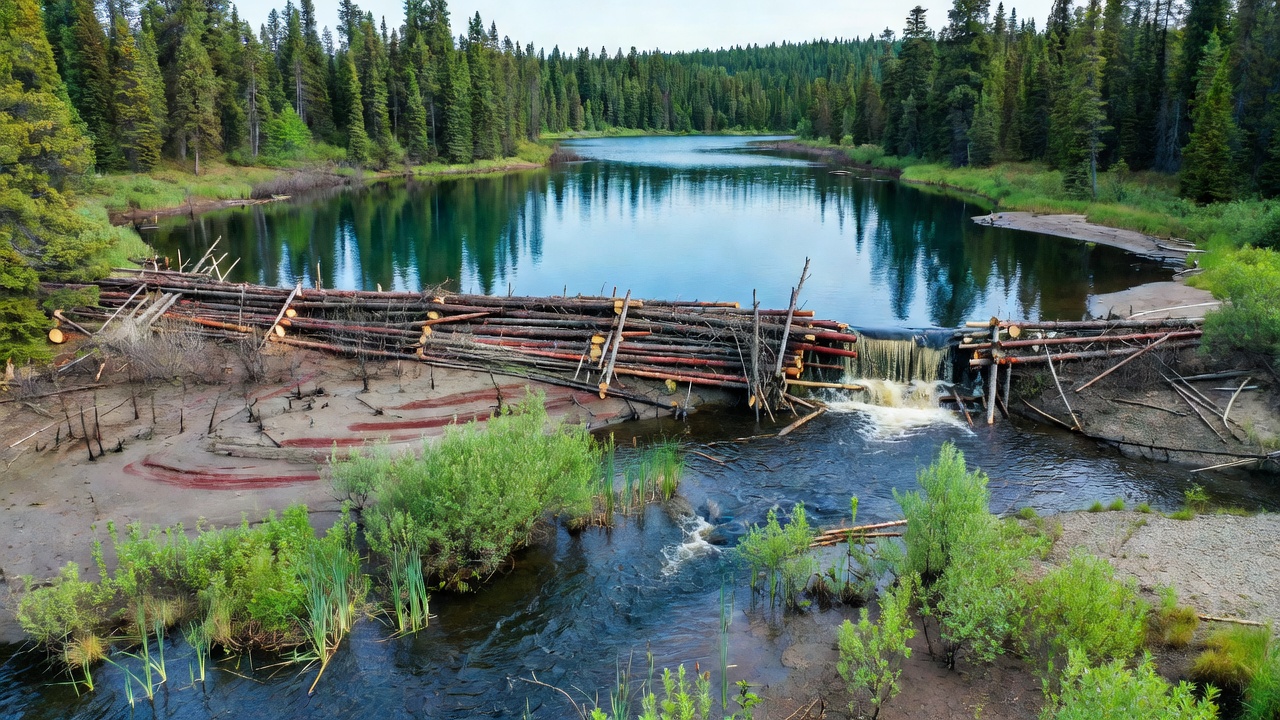
Beaver colonies have long modified waterways across North America and parts of Europe, yet researchers continue to document how these animals reshape sediment movement and plant communities in isolated tributary reaches. Dams constructed from branches, mud, and stones slow water velocity, which allows suspended particles to settle behind the structures rather than carrying downstream. This process builds up layers of fine sediment that gradually raise the streambed elevation while creating shallow, ponded areas that retain moisture longer into dry seasons.
Studies from the US Geological Survey show that sediment accumulation rates behind beaver dams can reach several centimeters per year in some catchments, a figure that varies with watershed geology and flow regimes. In remote sections where human disturbance remains minimal, these changes become especially pronounced because fewer competing land uses interrupt the natural sequence of dam building, sediment trapping, and vegetation response. Observers note that once sediment deposits stabilize, wetland plants such as sedges and willows quickly colonize the new surfaces, their root systems further binding the material in place.
Sediment Trapping Mechanisms at Work
Water flowing into a beaver pond loses energy as it spreads across a wider surface area, so coarser sand and gravel drop out first near the dam face while finer silts and clays settle farther upstream. Over multiple seasons this sorting produces distinct depositional zones that researchers can map through coring and bathymetric surveys. In October 2026, field teams working in several western mountain basins recorded new sediment layers exceeding 12 centimeters thick in ponds that had been active for less than four years, confirming the rapid pace of change in undisturbed tributaries.
The same slowdown in flow also reduces downstream erosion because peak discharges are attenuated, a pattern documented in long-term monitoring networks operated by Environment and Climate Change Canada. As a result, channels below active colonies often narrow and deepen slightly while the ponded reaches widen, creating a stepped longitudinal profile that alters both sediment transport capacity and habitat diversity.
Vegetation Response Follows Sediment Deposition
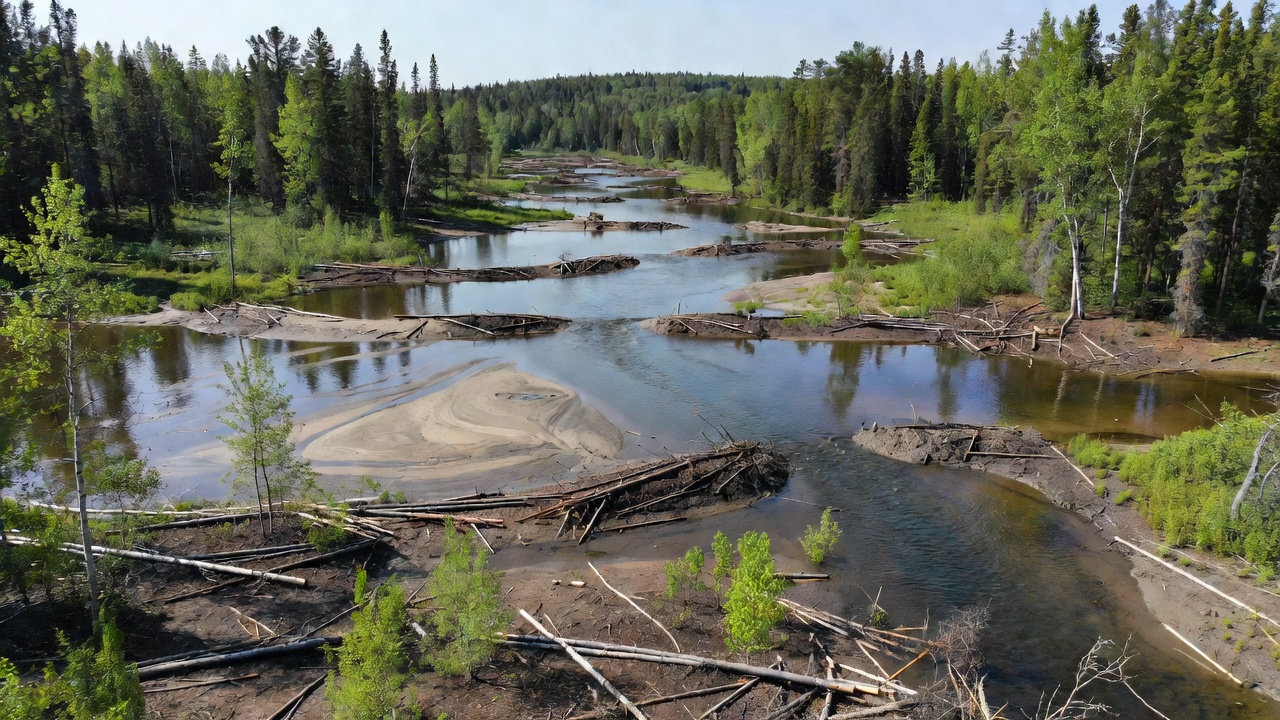
Once sediment surfaces emerge above typical water levels, seeds and vegetative fragments establish quickly because the fresh deposits contain elevated nutrient levels from upstream organic matter. Willows and alders often appear within one growing season, their dense stems trapping additional debris and further accelerating accretion. Data from university-led research in the Rocky Mountains indicate that plant cover can increase by more than 40 percent within five years of colony establishment, compared with adjacent reaches lacking beaver activity.
The new vegetation in turn influences hydrology by increasing evapotranspiration and root-zone storage, which can lower summer water temperatures and extend baseflow contributions. These feedback loops become self-reinforcing in remote tributaries where large predators still regulate beaver numbers, preventing overbrowsing that might otherwise limit plant recovery.
Long-Term Landscape Implications
Repeated cycles of dam construction, abandonment, and rebuilding generate a mosaic of abandoned ponds that eventually convert to meadows or forested wetlands. Each stage leaves a distinct sediment signature that geomorphologists use to reconstruct historical colony occupancy. In regions where beaver populations have rebounded following decades of trapping pressure, such mosaics now cover several percent of total stream length according to aerial surveys completed in 2025.
Because these processes operate most visibly in headwater and mid-order tributaries far from mainstem rivers, they remain under-sampled in many regional assessments. Yet the cumulative effect on sediment budgets can be substantial, with some models estimating that beaver-modified reaches retain up to 30 percent more fine sediment than unmodified equivalents. This retention influences downstream water clarity, nutrient spiraling, and the timing of sediment delivery to larger channels during high-flow events.
Conclusion
Beaver colonies continue to demonstrate measurable control over sediment patterns and vegetation development in remote tributary sections through dam building, flow attenuation, and organic matter retention. Monitoring programs that track these interactions provide baseline data for understanding how reintroduced or recovering populations alter fluvial landscapes over decadal timescales. As additional observations accumulate from field sites monitored through October 2026 and beyond, the quantitative links between colony density, sediment storage volumes, and plant community shifts grow clearer, supporting more precise predictions of future channel and riparian evolution in similar settings.